

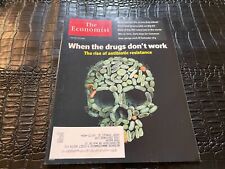
It’s widely accepted in the medical community that a high level of antibiotic use is related to antibiotic resistance, but only recently has the risk to the individual been assessed. The study, published in theJournal of Antimicrobial Chemotherapy this month, and funded by the British Society for Antimicrobial Chemotherapy, has shown that patients who have taken a prescription of antibiotics within the previous two months have double the chance of carrying antibiotic resistant bacteria. The same effect was not seen in patients who had taken a prescribed course of antibiotics within the previous 12 months. The study’s findings indicate that despite patient expectations, doctors should be more discerning when prescribing antibiotics.
The study looked at whether a doctor prescribing antibiotics increased an individual’s risk of developing antibiotic resistance. Previous research has shown that antibiotics are often prescribed for minor ailments where they have a limited or insignificant effect. In spite of this, a culture of antibiotic use seems to have evolved, where patients seeing doctors with sore throats, coughs and ear-ache expect to be treated with antibiotics.
Dr Alastair Hay, from Bristol University said: “Although GPs [doctors] are aware of the problem in the population as a whole, when deciding whether or not to prescribe antibiotics for an individual they may consider the risk as being minimal.”
The results showed that antibiotics prescribed in the 12 months prior to obtaining the urine sample did not influence the resistance of organisms – presumably because the time period in question is too long. However, the more recent use of antibiotics – within 2 months – led to a near doubling of the likelihood of resistance.
The team also found that over a 12-month period prior to sampling, each additional tablet of trimethoprim (200mg) prescribed increased the chances of developing resistance. In addition, the degree of resistance to amoxicillin was greater in patients prescribed any penicillin antibiotic in the 12 months prior to urine sampling.
While the research is only preliminary, the initial results indicate that both patients and doctors should be aware of this information when deciding whether to prescribe and consume antibiotics.
Related posts:
 Nil by mouth: oral ingestion blamed for rapid rise of antibiotic resistance
 High Levels Of Antibiotic Resistance In Arctic Birds
 Halting Evolution To Fight Illness
 Language transforming medicine… for the worse
 Doctors at Guantánamo Bay get cryptic ethical advice
 Antibiotic Misuse A Serious Concern Say Experts

Comments are closed.